Patient feedback for clinics & practices
A private, encrypted comment card patients can fill out in the waiting room or from home — so you hear concerns directly, not on Google.
Free forever · No credit card · Ready in minutes
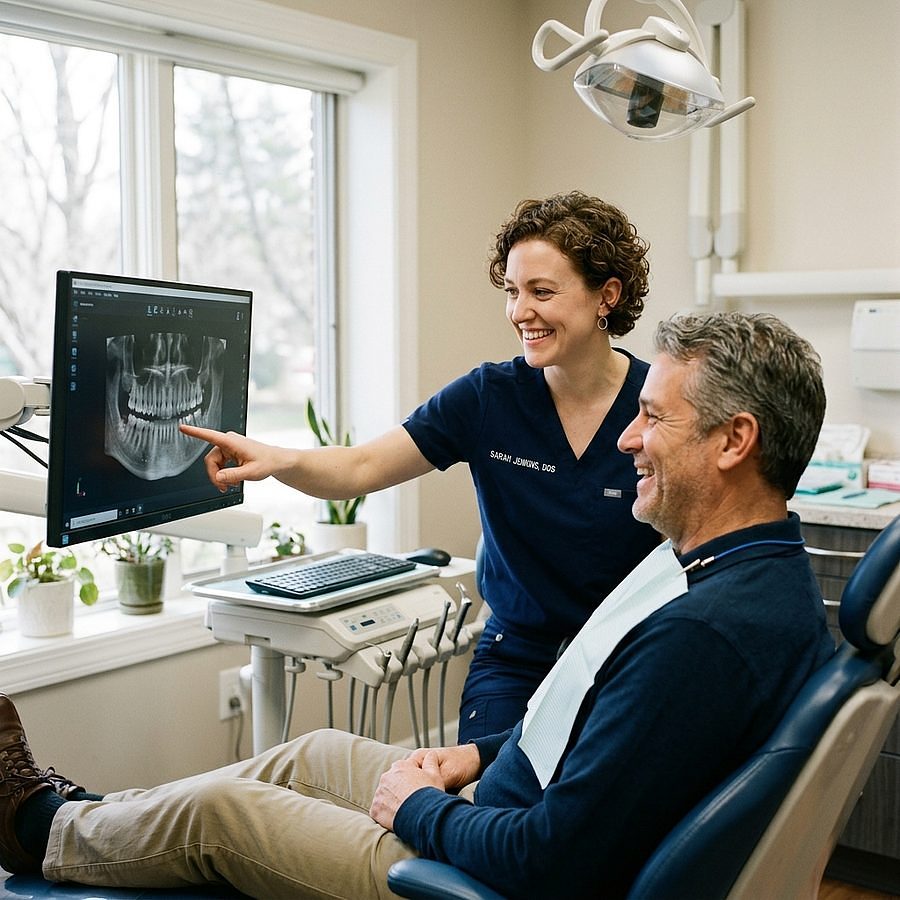
The most reliable way to collect patient feedback is to make it private and effortless: a QR code in the waiting room, on the after-visit summary, or in a follow-up message that opens a short, anonymous comment card. Responses go straight to the practice manager, stay encrypted, and can start a two-way conversation without ever revealing the patient's identity — so you learn what to fix while the visit is still fresh, instead of reading about it in a public review.
What is a patient feedback system?
A patient feedback system is a structured way for a clinic or practice to collect patients' views on their care and experience — scheduling, wait times, communication, and the visit itself — and route it to the people who can act on it. Modern systems use a private QR code or link that opens a short, often anonymous comment card, so feedback reaches the practice directly instead of a public review site.
Collect feedback where patients already are
The highest-response method is a code patients can scan without any friction — no app, no login. Put it where they already pause: a card in the waiting room, the bottom of the after-visit summary, or a link in your follow-up text or email. Because it takes ten seconds and is genuinely private, you'll hear from people who'd never call the office or fill out a mailed survey.
It works the same for medical, dental, therapy, and specialty practices — anywhere a patient has an experience worth improving.
Ask a few questions that matter
Keep it short — a long form is a form patients abandon. A handful of prompts covers most of the signal:
- How easy was it to schedule and check in?
- How was your wait time?
- Did your provider listen and explain things clearly?
- Is there anything we could have done better?
Always leave an open comment box — the “anything else?” field is where the most useful feedback lives.
Keep it private and anonymous
Patient feedback is sensitive by nature. Letting people respond anonymously is what gets you honesty about the things they'd never say to your face, and every commenter's identity is encrypted. Patients who do want a response can choose to leave a private way to be reached — without that ever being required.
Have a two-way conversation — without breaking anonymity
A form is a dead end: a complaint arrives and you can't respond. CMNT CARD lets you reply to an anonymous patient, ask a clarifying question, and resolve the issue — a real back-and-forth, with their identity never revealed. That's the difference between collecting complaints and actually closing them.
Act on the patterns and close the loop
AI groups responses into themes so the recurring issue — the front-desk wait, the confusing paperwork — rises to the top instead of hiding in a stack. Fix it, tell patients what changed, and you turn quiet frustration into loyalty.
Why not just use a Google Form?
A Google Form collects answers into a spreadsheet and stops there. CMNT CARD is built for the whole loop — collecting, understanding, and closing it.
| Google Form | CMNT CARD | |
|---|---|---|
| Branded QR code for any surface | Manual | Built in |
| Truly anonymous, with optional reply | No | Yes |
| Two-way private conversation | No | Yes |
| AI insights & trends | Spreadsheet by hand | Automatic |
| Unified inbox across locations | No | Yes |
Read the full story — why I stopped using SurveyMonkey spreadsheets →
Frequently asked questions
Make it private and effortless: a QR code in the waiting room, on the after-visit summary, or in a follow-up message that opens a short, anonymous comment card sent straight to the practice. In-the-moment, no-login feedback gets far higher response rates than mailed or emailed surveys.
Keep it short — scheduling and check-in, wait time, whether the provider listened and explained clearly, and one open “anything we could do better?” field. The open comment is usually the most valuable part.
Yes. Patients can respond completely anonymously, and every commenter's identity is encrypted. They can optionally leave a private way to be reached if they want a reply — but it's never required.
CMNT CARD isn't a medical-records system and isn't marketed as HIPAA-certified. It's built for private, usually anonymous experience feedback — not protected health information — with encrypted commenter identities and SOC 2 certification in progress. Keep the feedback focused on the experience rather than clinical details and it's a strong, low-risk fit.
Yes — one active feedback box is free forever, with unlimited responses and no credit card. Paid plans add more boxes, AI insights, and team access when you're ready.
Start collecting feedback in minutes.
Free forever — one active box, unlimited comments, no credit card. Upgrade only when you're ready.